
24/7 emergency service in Peachtree Corners, GA — one call connects you to a local crew

Standing Water Removal That Stops Damage From Spreading

Standing water never stays in one place. In a Peachtree Corners home it wicks up drywall, slips under hardwood and vinyl plank, and soaks into carpet padding within hours — and in Georgia humidity, mold can start growing within 24 to 48 hours.

24/7 emergency responseWritten estimate before work beginsLocal Gwinnett County crews

What Water Extraction Actually Involves

Water removal is the service that gets that water out: not mopping, and not a shop vac, but professional pump-out and extraction with truck-mounted equipment that pulls water from floors, carpets, and padding before the damage spreads. This page explains what the service involves, the equipment used, how clean, gray, and black water change the job, and what happens during a visit. If water is standing in your home right now, call (770) 555-0123 and a local pro can start removing it today. Extraction work is the physical removal of water from a property — the first hands-on step after the source of the water has been stopped. It sounds simple, but the goal is bigger than clearing puddles.

  • Confirming the water source is stopped before removal begins
  • Pumping out deep standing water from rooms, basements, and crawl spaces
  • Extracting water from carpet, padding, hardwood, and tile surfaces
  • Mapping moisture in walls and floors with meters and thermal imaging
  • Flagging materials that cannot be dried, such as soaked carpet padding
  • Recording moisture readings to guide the drying plan that follows
Water Extraction inspection and diagnostic work

Equipment That Outperforms a Shop Vac

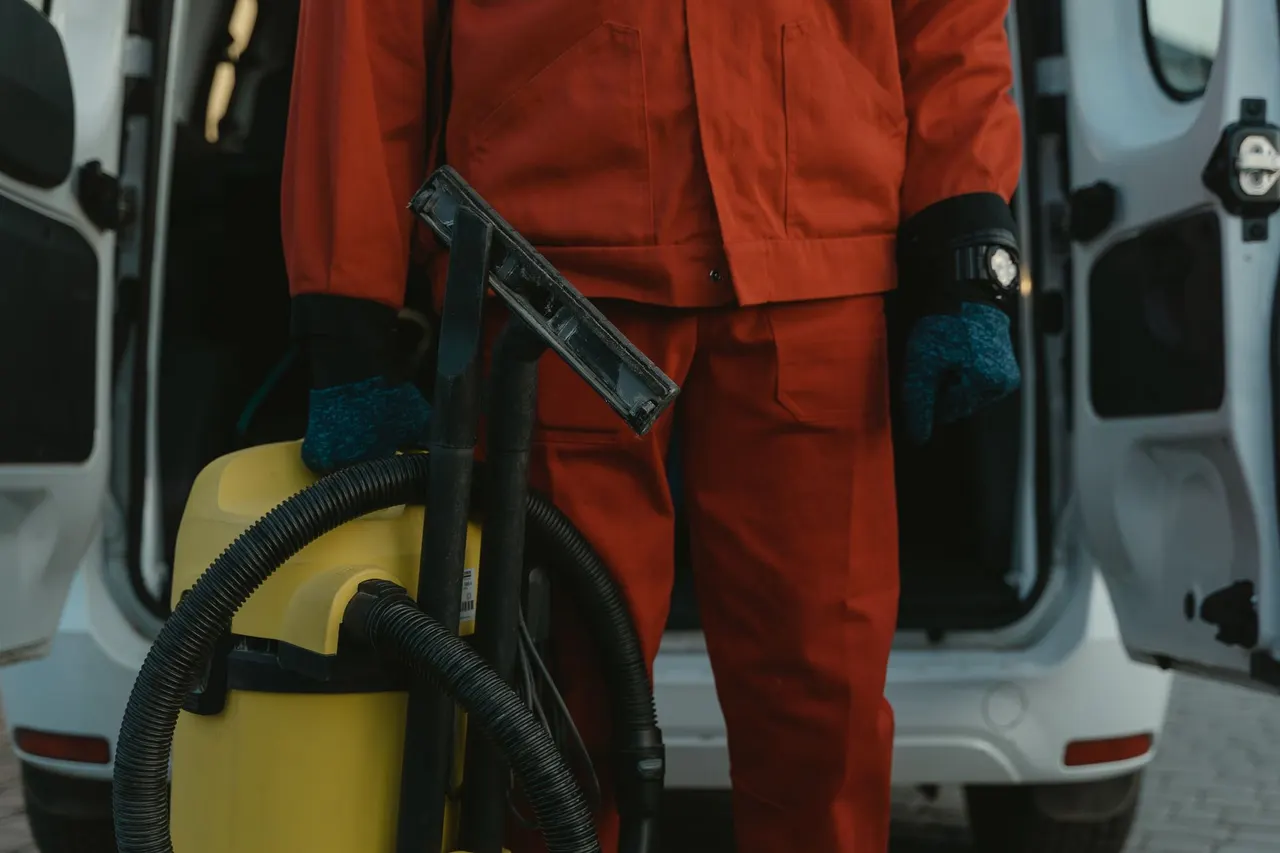
A household wet/dry vacuum holds a few gallons and pulls weakly through a short hose. Professional equipment is built for volume, and for pulling water out of materials rather than just off them. Truck-mounted units park outside and run hoses into the home, generating far stronger suction and carrying water straight to a tank. Weighted tools ride over carpet and squeeze water out of the pad beneath it — the layer a surface pass always misses. Combined with pumps for deep water, this equipment is why a professional visit removes in an hour what a weekend of DIY mopping leaves behind in the padding and subfloor.

EquipmentUsed forWhy it matters
Truck-mounted extractorWhole rooms and large areasStrong, continuous suction; water goes straight to an onboard tank
Submersible pumpStanding water more than an inch deepMoves large volumes quickly so extraction can begin
Weighted extraction toolCarpet and paddingUses body weight to squeeze water out of the pad a wand misses
Portable extractorUpper floors and tight spacesReaches bathrooms, closets, and stairs where truck hoses are impractical
Moisture meters and thermal camerasWalls, floors, and baseboardsFind hidden water so nothing wet is left behind
Quick answers

Questions Homeowners Ask Us First

How long does extraction work take?

For most homes, the extraction visit itself takes a few hours. A single affected room may be done in one to two hours, while a whole main floor, basement, or crawl space takes longer. The variable is volume: how much water came in, how many materials it reached, and how much is trapped in padding and wall cavities. Drying after extraction is a separate phase that typically runs for several days with equipment in place.
Can I handle it myself with a shop vac and fans?

For a few gallons of clean water on a hard surface, yes — dry it fully and quickly and you are fine. The problem is everything a shop vac cannot reach: water in carpet padding, under floating floors, and inside wall cavities. Those hidden pockets are where mold and warped flooring come from. If water has spread beyond one small area, touched drywall, or come from any source dirtier than a supply line, professional extraction is the safer call.

Does an extraction visit include drying and repairs?

Extraction is the removal phase. Drying follows it — that is covered on our structural drying page — and repairs to drywall, flooring, and finishes come after drying, as part of full water damage restoration. The phases are normally coordinated as one project, so the crew that extracts already knows what the drying and repair phases will need, and nothing gets opened up or closed in the wrong order.

Still standing in water? Call (770) 555-0123 — help is available around the clock.

Clean, Gray, and Black Water: Why the Category Changes the Job

Pros classify water into three categories based on contamination, and the category drives everything from protective gear to what can be saved. Category 1 is clean water from a supply line or rainwater. Category 2, or gray water, carries contaminants — washing machine or dishwasher discharge, for example. Category 3, black water, includes sewage and floodwater and is treated as a health hazard. Categories are not fixed, either: clean water that sits in a warm Georgia home, soaking drywall and carpet for a day or two, degrades into a dirtier category. That escalation is one reason speed matters — the same spill is a simpler, safer job on day one than on day three.

CategoryTypical sourcesHow it is handled
1 — CleanSupply lines, water heaters, rain through a roofExtract and dry in place where possible, with antimicrobial care
2 — GrayWashing machines, dishwashers, sink and tub overflowsExtract with protective gear; porous materials assessed carefully
3 — BlackSewage backups, toilet overflows with waste, floodwaterContainment and disinfection; soaked porous materials removed

How an Extraction Visit Runs, Step by Step

Most visits follow the same sequence, whether the water came from a burst line in a crawl space or a failed water heater in the garage. Knowing the order helps you see why each step earns its place — and why skipping the meter work at the end causes so many repeat problems.

  • Assessment: the crew walks the home, finds every wet area, and checks for electrical hazards
  • Source confirmation: the leak or inflow is verified stopped before removal begins
  • Pump-out: deep standing water is pumped down so extraction tools can work effectively
  • Extraction passes: carpets, padding, and hard floors are worked until passes run nearly dry
  • Material decisions: padding, drywall, or insulation that cannot be dried is identified for removal
  • Moisture baseline: readings are recorded and drying equipment is planned or placed

Where Water Hides in Peachtree Corners Homes

Local housing shapes where water goes. Many Peachtree Corners homes sit on crawl spaces, where a leaking line can drip for days before anyone notices the musty smell inside. Others are slab-on-grade, where water travels surprising distances under floating floors and shows up at baseboards several rooms away from the source. Georgia's red clay makes things worse outside: it drains slowly, so storm water lingers against foundations and seeps into crawl spaces and basements. Add summer humidity — indoor air that is already moisture-heavy — and wet materials dry far more slowly here than in a dry climate. That is why extraction in this area always pairs removal with meter checks in walls, floors, and below-grade spaces: the visible puddle is usually the smallest part of the problem.

Extraction Is Step One — Drying Comes Next

Extraction removes liquid water. It does not remove the moisture that has already soaked into drywall, framing, and subfloors — that takes structural drying: air movers, dehumidifiers, and daily moisture readings over several days. Stopping after extraction is the most common and most expensive mistake homeowners make. A room can look dry and feel dry while the bottom plate of the wall is still wet enough to grow mold, and in Georgia's climate that mold clock starts within 24 to 48 hours of the water event. When you arrange a visit through The extraction process Peachtree Corners, the drying phase is planned from the first appointment, so removal and drying run as one continuous job rather than two separate emergencies.

When to Call for Water Extraction

Call the same day whenever water is standing, spreading, or trapped in materials — which covers most real-world leaks. Clear triggers include carpet that squishes underfoot, water pooling at baseboards, a flooded crawl space or basement, a water heater or appliance that has dumped its contents, and any water that has reached drywall. A small, clean spill on tile that you can dry completely within the hour is a reasonable DIY job. Everything else benefits from professional removal, because the cost of extraction is small next to the cost of replacing floors, walls, and cabinets that stayed wet too long. Call (770) 555-0123 to connect with a local water removal pro serving Peachtree Corners, Norcross, and the surrounding neighborhoods.

Areas We Serve

Crews cover Peachtree Corners and the surrounding Gwinnett County communities:

NorcrossDuluthJohns CreekDunwoodySandy SpringsAlpharettaSuwaneeRoswell

Tools used for Water Extraction

Frequently Asked Questions

Will extraction save my carpet?

Often, yes. Carpet hit by Category 1 clean water and extracted quickly can usually be dried and cleaned in place. The padding underneath is a different story: it holds water like a sponge, dries slowly, and is inexpensive to replace, so pros commonly remove and replace the pad while saving the carpet. Gray or black water changes the answer — contaminated carpet and padding are normally removed for health reasons.

How do I know if water got under my floor?

Signs include cupping or buckling hardwood, lifting or bubbling vinyl plank, a musty smell that appears days after the event, and damp baseboards far from the original leak. Pros confirm it with pin and pinless moisture meters and thermal imaging rather than guessing, because water on a slab foundation can travel under a floor well beyond the visible wet area.

What should I do before the extraction crew arrives?

If it is safe, shut off the water at the main valve and switch off power to wet rooms at the breaker panel. Move small furniture, documents, and electronics out of the wet area, and keep children and pets away — especially if the water may be contaminated. Take photos of the damage for your insurance file. Then leave the water itself alone; mopping without the right equipment mostly spreads it into new areas.

How soon can mold start growing after water damage?

In warm, humid conditions — a Georgia summer, or a heated home in winter — mold can begin growing on wet drywall, wood, and carpet backing within 24 to 48 hours. That timeline is the core reason extraction is treated as urgent: removing water fast, then drying thoroughly, is what keeps a water problem from becoming a mold problem with a much bigger cleanup bill.

What happens immediately after the extraction is finished?

The crew records final moisture readings, identifies any materials that need to come out, and sets or schedules the drying equipment that brings walls and floors down to safe moisture levels. You also get documentation of what was wet and what was done — useful for your insurance claim. Our step-by-step guide to the water damage restoration process walks through the full sequence from first call to final walkthrough.

Water Problem in Peachtree Corners, GA Right Now?

Every hour of standing water means more damage and a bigger bill. One call connects you with a local crew that can start extraction and drying today.

Call now
Water standing in your home right now?Local crews respond 24/7 across Peachtree Corners — one call and help is on its way.
☎ Call (770) 555-0123
(770) 555-0123