
How to Prevent Frozen Pipes in a Georgia Winter | Guide
Georgia homes are built for heat, not cold. The insulation, dripping and hose-bib steps that stop a two-night cold snap from splitting your pipes.
Read the guide
A burst pipe at 2 a.m. does not wait for business hours, and neither does the damage. DryCrew is a local referral service: one call to (770) 555-0123 connects you with nearby water-damage professionals who pump out standing water, dry the structure, and document everything for your insurance claim, anywhere in Peachtree Corners.
Useful updates and clear arrival timing.
Review the approach and price before deciding.
Equipped vehicles and respectful cleanup.
Neighbors serving neighbors with follow-through.
DryCrew is a local referral service built for the moment water gets loose in your home.
We do not swing the hammers ourselves, and we are straightforward about that. One call to (770) 555-0123 connects you with independent water-damage professionals who serve Peachtree Corners and the surrounding Gwinnett County communities. They pump out standing water, dry the structure, and document the work for your insurance claim — 24 hours a day, 7 days a week, from flooded basements near the Chattahoochee River to water heaters leaking into garages.
By the numbers, this is not a rare problem: about 1 in 60 insured homes files a water damage or freezing claim every year (Insurance Information Institute), a pinhole leak can waste roughly 44 gallons of water a day, and mold can start growing within 24 to 48 hours of a leak. Those numbers are why this service is built around one fast call — (770) 555-0123 — instead of a directory of numbers to work through while water spreads.

When water gets loose in your home, the service you need depends on where it came from, how much there is, and how long it has been sitting. Below is every extraction and restoration service a Peachtree Corners home could need, in plain language. Every job starts the same way: one call to (770) 555-0123, a local crew dispatched, and water coming out of your home instead of soaking further into it.

The core job: removing standing water from floors, carpets, crawl spaces, and basements with truck-mounted and portable extraction equipment. The faster and more completely water comes out, the less drying and repair the home needs afterward. Extraction is the first step of almost every job and the biggest factor in whether floors and walls survive.
View service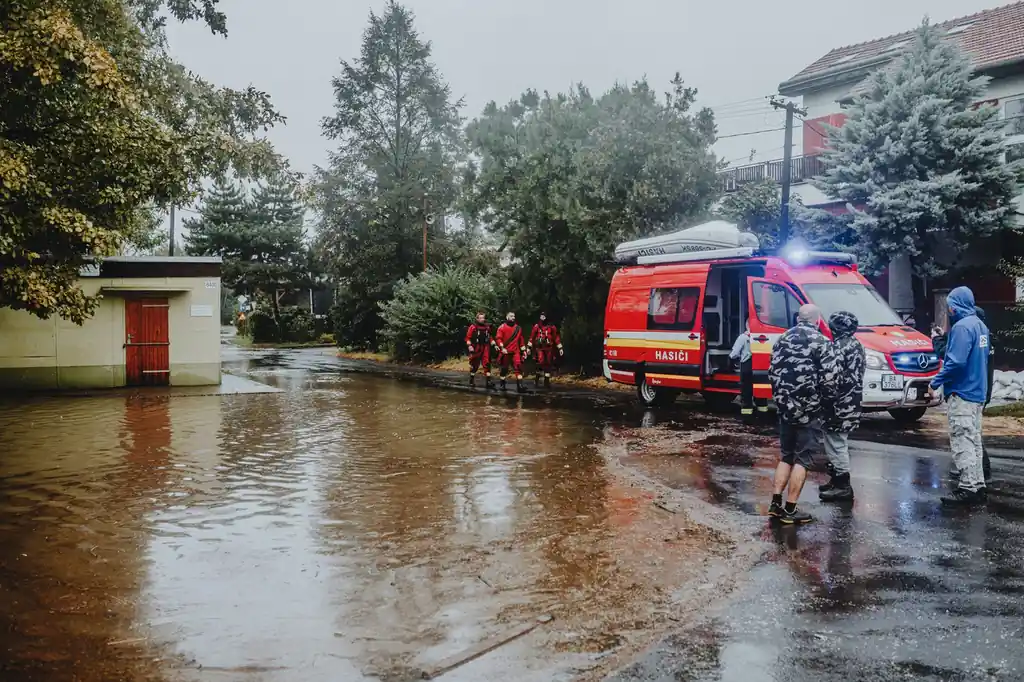
Rapid response for water problems that cannot wait for morning: a pipe still spraying, a water heater still draining, a basement filling during a storm. The line answers around the clock and local Gwinnett County crews are dispatched immediately, starting with stopping the source and getting pumps running. If it is getting worse while you watch, call now.
View service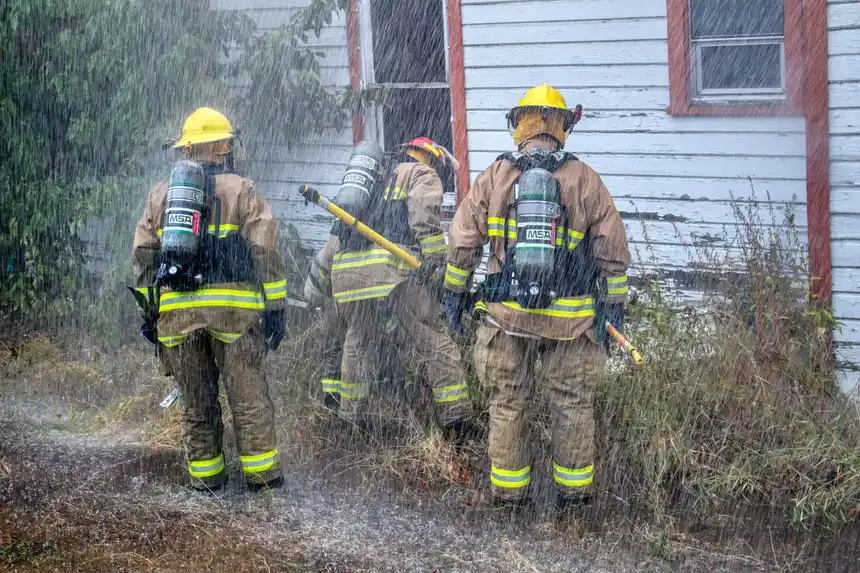
The complete process that takes a home from soaked to repaired: assessment, extraction, drying, cleaning, and repairs that return rooms to their pre-loss condition. The right frame when damage touches multiple rooms or materials — floors, walls, cabinets, and belongings together — with one coordinated process that produces the documentation insurers expect.
View serviceShare what is happening and receive a clear next step from the local team.
We are a referral service, and we are straightforward about that: we do not swing the hammers ourselves. What we do is connect you, fast, with local water-damage professionals who serve Peachtree Corners every day — and keep the process simple while you are standing in water. Four reasons homeowners across Gwinnett County start with our number:
One number, answered day and night. A burst pipe at 2 a.m. gets the same response as one at 2 p.m. — no voicemail, no waiting for business hours while water spreads. You describe what you are seeing, and a local crew is dispatched while you are still on the phone, starting with shut-off guidance for your home.
The professionals we connect you with are based around Gwinnett County and know Peachtree Corners housing stock firsthand — the crawl spaces along Peachtree Corners Circle, the finished basements near Jones Bridge Park, the slab homes around The Forum. They arrive knowing what to look for, which shortens the assessment and gets extraction started faster.
Every job is documented properly: photos of the damage and the water path, daily moisture readings, and a clear written scope you can hand to your insurance adjuster. That paperwork removes one of the biggest headaches of any claim — and prompt extraction plus clean documentation gives a sudden-and-accidental water claim its strongest footing.
You make one call and the coordination is handled for you — no directory to work through and no phone tag with five companies while water spreads. You get a clear written estimate before work begins and one point of contact from the first call to the final moisture check.
Four numbers explain why water problems in Peachtree Corners are handled as emergencies, not weekend projects.
About 1 in 60 insured homes files a water damage or freezing claim annually (Insurance Information Institute) — it is one of the most common claims there is.
One pinhole leak can waste roughly 44 gallons a day — quietly soaking cabinets, floors and wall cavities the whole time.
Mold can begin growing within 24 to 48 hours of water damage, faster in Georgia humidity. Day-one drying is what prevents it.
Most single-area jobs run $500–$1,500; sewage and flood restoration can reach $7,000+. Early action keeps you at the low end.
Typical 2026 pricing in Peachtree Corners depends on four things: how much water, how dirty it is, how many rooms it touched, and how long it sat. The ranges below cover the scopes homeowners ask about most. The responding crew assesses your situation and explains the expected cost before major work begins — no obligation to proceed.
You describe the problem — where the water is, where it seems to come from, whether it is still spreading — and a local crew is sent. You also get shut-off guidance on the phone, so the water stops while help is on the way. The line answers immediately, 24 hours a day.
The crew finds and stops the source if it is still active, checks for safety issues like water near electrical outlets, and moisture-maps the damage so nothing wet is missed. You hear what can be saved, what cannot, and what the work involves before major work begins.
Pumps and truck-mounted extractors remove standing water from floors, carpet, padding, basements, and crawl spaces. Extraction usually finishes within hours on the first day, and it is the step that decides how much of your flooring, cabinets, and drywall can be saved instead of replaced.
Air movers and dehumidifiers are placed through the affected areas and left running. The crew returns daily to take moisture readings in walls, floors, and framing, adjusting equipment until every material reaches dry standard. Most homes dry in three to five days; equipment leaves only when readings say so.
Knowing what happens next takes some of the panic out of a flooded home. When you call, a local crew is dispatched and the process below begins: stop the source, remove the water, dry what remains, and leave you with documentation your insurance company can use. Most extraction finishes the same day.

Straight answers to the questions local homeowners ask most when water gets in, the risks behind them, and what a fast response actually prevents.
Mold can start within 24 to 48 hours, and Georgia humidity gives it a head start — drywall and insulation wick water far past the visible line. Same-day extraction plus monitored structural drying pulls moisture out before growth takes hold, which is why the first day matters more than any other.
Many area homes were plumbed with polybutylene lines that are now at end of life, and aging copper and galvanized pipes corrode from the inside. The fix starts with stopping the water, extracting what escaped, and drying the wall and floor cavities the leak fed — before a slow drip becomes a burst.
Two Peachtree Corners scenarios, start to finish — the problem, the response, and what was saved.
The problemA dishwasher supply line split overnight and quietly soaked the kitchen and hallway. By morning, water had wicked into the baseboards and under the hardwood.
What the crew didShut the water off, extracted the standing water the same morning, then ran monitored drying for three days with daily moisture checks — documenting everything for the insurance file.
The resultThe hardwood floors were saved. Only the baseboards needed replacing, and the claim file was complete from day one.
The problemA river-adjacent home took on several inches of water in the crawl space after a storm. Insulation was soaked and the joists were sitting in damp air.
What the crew didPumped the water out, removed the soaked insulation, dried the joists and subfloor, then checked the vapor barrier before signing off.
The resultThe structure was dried and verified with moisture readings — no lingering damp left behind to turn into a mold problem a month later.
Representative project scenarios shown to illustrate typical scopes of work. No client names or guaranteed results are claimed.

Water emergencies tend to happen at the worst possible hour, and the experiences below reflect that — a midnight pipe burst, a workday water heater failure, a same-day save for hardwood floors. Each one started the same way: one call to (770) 555-0123.
A pipe burst at midnight and I was panicking. One call and a crew was pumping water out of our kitchen before it reached the bedrooms. I do not want to think about what waiting until morning would have cost us.
Our water heater flooded the laundry room while we were at work. They handled the extraction and drying, and gave us the photos and readings our insurer asked for. Straightforward from start to finish.
Fast, honest, and local. Every step was explained before it happened, and because the water came out the same day, our hardwood floors were saved.
Our home base is Peachtree Corners itself — ZIP codes 30092 and 30010, from Simpsonwood Park and the Chattahoochee riverfront to Technology Park and the Peachtree Corners Circle corridor. The same network responds across the nearby communities below, every one within roughly 22 kilometres, close enough for a genuinely fast emergency response rather than a next-day appointment.
Routes are built around practical drive times and prepared arrivals. Call if your community is not listed.
Available in many surrounding communities and ZIP codes. Call to confirm current route coverage.
Crews classify every job by water category before work starts. The category decides the protective gear, the sanitizing, and what can be saved — which is why two flooded rooms can need very different responses.
| Category | Where it comes from | Common examples | How cleanup changes |
|---|---|---|---|
| Category 1 — Clean | Sanitary water sources | Burst supply lines, sink overflows, appliance leaks | Extract and dry; most materials can usually be saved |
| Category 2 — Gray | Water with contaminants | Dishwasher or washing-machine discharge, toilet overflow without waste | Extract, sanitize, and remove some porous materials like carpet padding |
| Category 3 — Black | Grossly contaminated water | Sewage backups, river flooding, long-standing water with growth | Full protective cleanup; contaminated materials are removed and surfaces disinfected |
Not sure which you are dealing with? Treat anything from a drain, toilet or the river as Category 3 until a pro says otherwise, and keep kids and pets out of the area.
If it is safe, shut off the water at the main valve and turn off power to the affected area at the breaker box. Move valuables and furniture out of the water if you can do so safely, take photos for insurance, and then call (770) 555-0123. Never walk through water that may be in contact with electrical outlets, and never enter sewage-contaminated water at all.
Mold can begin growing on wet drywall, insulation, and wood within 24 to 48 hours, especially in Georgia humidity. That is why extraction and professional drying should start the same day the water appears — once growth is established inside wall cavities, remediation becomes a much bigger and more expensive job.
Most policies cover sudden and accidental water damage — a burst pipe, a failed water heater, an appliance line that lets go. Flood damage from rising outdoor water usually requires a separate flood policy, and slow leaks that went unaddressed for months are often excluded. Prompt extraction plus good documentation gives any claim the strongest footing.
After extraction, structural drying typically takes 3 to 5 days. Crews place air movers and dehumidifiers and return daily to check moisture readings in walls and floors. Equipment comes out only when materials reach dry standard — guessing wrong and finishing early is how mold problems start.
Most single-area extraction and drying jobs run $500 to $1,500, multi-room mitigation $1,500 to $4,000, and sewage or flood restoration $2,000 to $7,000 or more, depending on water category, area size and how long materials stayed wet. You get a written estimate before work starts, and photos and moisture readings are documented for insurance either way.
Straight answers to the questions Peachtree Corners homeowners ask first when water gets loose — how fast mold grows, what to do in the first minutes, what insurance covers, and how long drying takes. Anything else, call (770) 555-0123 and ask.
Ask the local teamPractical guidance to help you notice problems earlier and understand the available options.
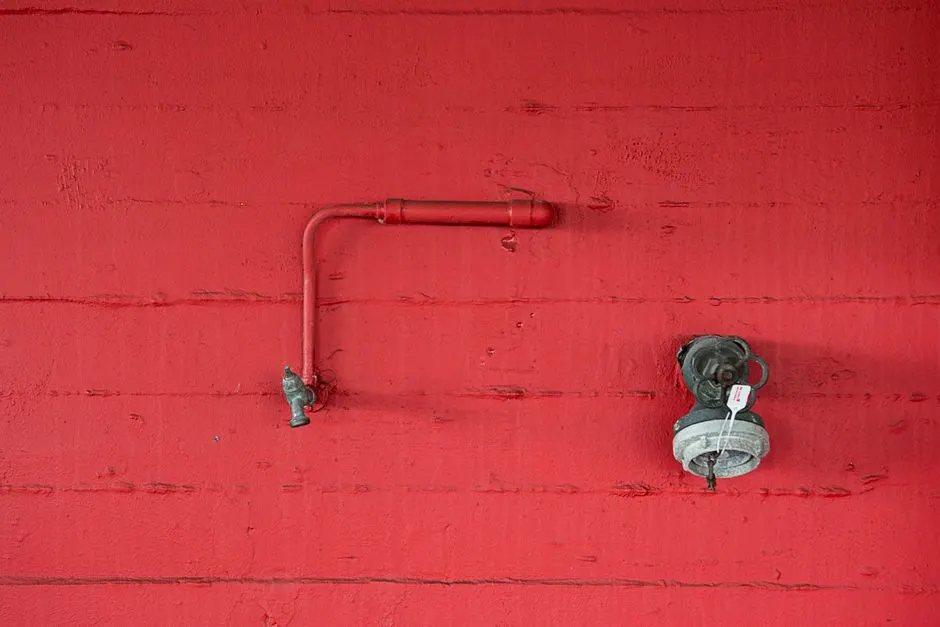
Georgia homes are built for heat, not cold. The insulation, dripping and hose-bib steps that stop a two-night cold snap from splitting your pipes.
Read the guide
Living near the Chattahoochee means living with flood risk. Where it concentrates in Peachtree Corners, and how to prepare crawl spaces and basements.
Read the guide
Warm spots, phantom water sounds, a spiking bill: seven slab leak signs Georgia homeowners can spot before the floor — and the foundation — suffer.
Read the guide
If water is in your home right now, do not send a message and wait — call. Our line is answered 24 hours a day, 7 days a week, and a local crew serving Peachtree Corners can be dispatched while you are still on the phone. You will talk to a person, not a phone tree, and there is no fee for the call and no obligation to book.