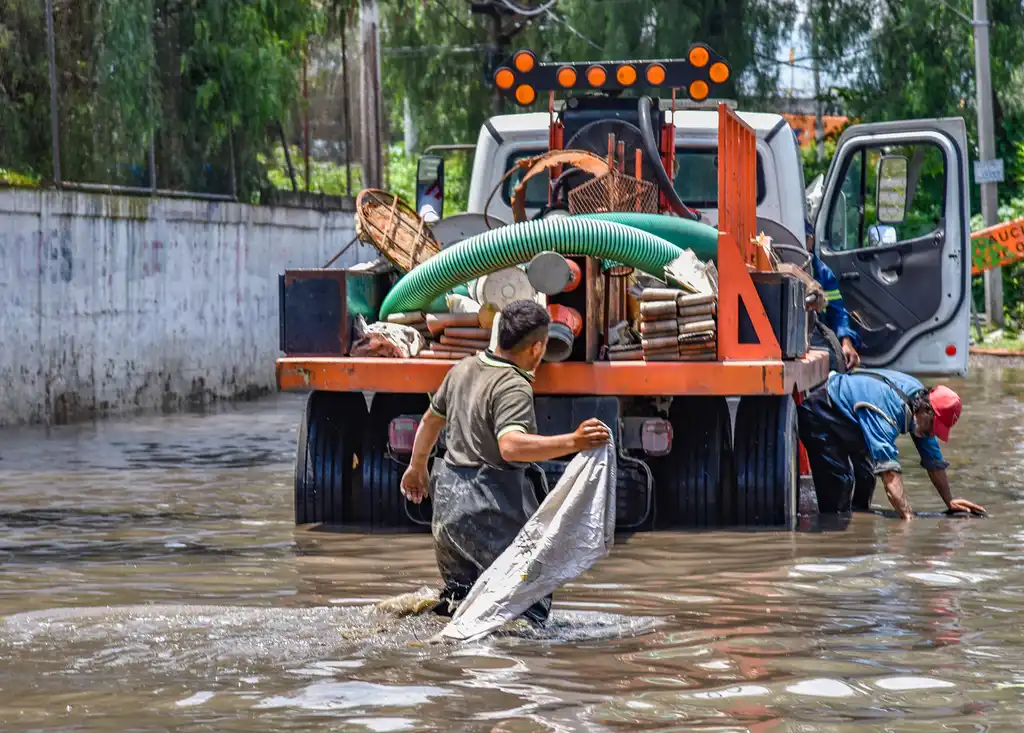
24/7 emergency service in Peachtree Corners, GA — one call connects you to a local crew

Frozen Pipe Cleanup When a Cold Snap Splits the Line

Georgia homes are not built for hard freezes — and a few nights in the teens or low twenties is all it takes. Water freezes inside supply lines in crawl spaces, exterior walls, and garages, expands, and splits the pipe.

24/7 emergency responseWritten estimate before work beginsLocal Gwinnett County crews

Why Pipes Freeze in Georgia Homes Built for Mild Winters

The damage usually stays hidden until the thaw, when the split opens and water pours into walls and ceilings. This cleanup is the service that deals with the aftermath: finding where the water went, extracting it, removing freeze-damaged materials, and drying the structure before mold follows. This page explains why pipes freeze here, where it happens, and what cleanup covers. If a cold snap has just passed and you are finding water, call (770) 555-0123. In colder states, plumbing is routed through heated interior spaces and insulated as a matter of survival. Georgia construction assumes mild winters: supply lines run through vented crawl spaces, along exterior walls with minimal insulation, and through unheated garages.

That works for roughly 360 days a year. Then a cold snap drops overnight temperatures into the teens or low twenties, cold air pours through crawl space vents, and exposed lines freeze solid. When water freezes it expands with tremendous force — enough to split copper pipe and crack plastic fittings. Freeze-related bursts are among the most damaging water events insurers see in the South precisely because the whole region's housing stock shares the same vulnerability.

Frozen Pipe Cleanup inspection and diagnostic work

Where Freezing Happens First

Freezing is not random. It follows exposure: the lines closest to outside air, in unheated spaces, freeze first, and in a Peachtree Corners home those locations are predictable. Knowing them matters for cleanup as well as prevention, because the freeze location tells the crew where to meter for water after a thaw — the split is not always where the ice was, and water travels before it shows. The table below lists the usual suspects in the order local crews check them.

LocationWhy it is vulnerableWarning sign
Crawl space linesExposed to cold air flowing under the houseLittle or no water at taps; musty dampness after thaw
Exterior wall linesThin insulation between pipe and cold airSlow flow at one fixture; frost or cold patches on the wall
Garage lines and hose bibsUnheated space; outdoor faucets freeze firstSplit bib spraying at thaw; water at the garage wall
Attic linesCold air sits above the ceiling insulationCeiling stains appearing as temperatures rise
Lines to outdoor kitchens and pool housesSeasonal lines often left charged with waterLeaks discovered only when the space is used again
Quick answers

Questions Homeowners Ask Us First

How cold does it have to get for pipes to freeze?

Risk climbs steeply once temperatures fall into the low 20s and below, especially for uninsulated lines in crawl spaces and exterior walls — a single hard night can be enough. Wind, exposure, and how long the cold lasts matter as much as the low itself. Georgia cold snaps regularly reach that range for a night or three each winter, which is why freezes here catch so many homeowners off guard: the pipes were fine for years, until one night they were not.
Does a frozen pipe always burst?

No. Many frozen lines thaw without incident, and a pipe with no water at the tap may simply be blocked by ice. But freezing expands water with enough force to split copper and crack fittings, and the split often sits at a point that only opens under pressure once the ice melts. Treat every frozen line as a suspect: watch it closely during and after the thaw, and check the crawl space and wall cavities below it for the first signs of water.

The pipe thawed and there is no leak — am I in the clear?

Usually — but verify rather than assume. Walk the crawl space or check below-grade areas for damp soil or dripping, feel exterior walls for cold wet spots, and watch for stains appearing on ceilings under attic lines over the next few days. Slow splits can leak small amounts for a long time before showing themselves. A moisture check is cheap insurance against discovering a 'small' freeze leak as a mold problem in spring.

Still standing in water? Call (770) 555-0123 — help is available around the clock.

The Thaw Is When the Damage Shows Up

The cruelest part of a frozen pipe is the timing. While the line is frozen, the ice itself plugs the split — a home can sit through a freeze with a burst pipe and not a drop of visible water. The damage starts when temperatures rise: the ice melts, full pressure returns, and the split opens like a tap nobody turned on. If nobody is home — and cold snaps love holiday weeks, when families travel — water can run for a day or more through wall cavities and across floors. That is why so many freeze calls come in during the thaw, not the freeze: the emergency announces itself 24 to 48 hours after the cold that caused it.

What The cleanup work Covers

Cleanup after a freeze burst covers the water and the materials it damaged — not the plumbing repair itself, which is a plumber's job, though the two are coordinated. The crew meters the home to map how far thaw water spread, extracts standing water, and opens wall cavities or ceilings where insulation and drywall stayed soaked. Freeze-damaged sections of drywall and any materials that cannot reach drying targets come out. Cavity drying and dehumidification then run to verified moisture readings, with antimicrobial treatment on affected surfaces. Throughout, the damage is photographed and documented — insurers look closely at freeze claims, and a clean record of sudden damage and prompt response is what supports yours.

  • Moisture mapping to trace where thaw water traveled through walls and floors
  • Extraction of standing water from rooms, ceilings below, and crawl spaces
  • Removal of soaked drywall, insulation, and other materials that cannot dry in place
  • Wall-cavity and structural drying to verified moisture targets
  • Antimicrobial treatment of affected surfaces once drying is underway
  • Photo and readings documentation for the insurance claim

Spotting a Frozen Pipe Before It Bursts

A pipe that has frozen but not yet split gives off signals, and catching them can keep cleanup off your calendar entirely. The clearest is a faucet that produces only a trickle or nothing at all on a cold morning — somewhere upstream, ice is blocking the line. Frost visible on an exposed pipe, unusual smells from a drain or wall, and a water meter that creeps when nothing is running all deserve attention. If you suspect a freeze, the safest moves are to open the affected faucet slightly, warm the area gently with household heat — never a torch or open flame — and get help if flow does not return. A line checked during the freeze is a service call; a line discovered at the thaw is a cleanup project.

After Cleanup: Lowering the Risk Next Winter

Once the cleanup is verified dry, a short list of targeted fixes greatly reduces the odds of a repeat — most freeze bursts happen at the same weak points winter after winter. Foam insulation sleeves on crawl space and exterior wall lines are cheap and effective. Outdoor faucets get insulated covers, and hoses come off before the first freeze. During a hard snap, opening cabinet doors under sinks on exterior walls and letting a faucet drip slowly genuinely helps. The full preparation routine — including what to do when traveling during a freeze — is in our guide to preventing frozen pipes in a Georgia winter. Start there in the fall, and with luck the only page you will need is that one.

Areas We Serve

Crews cover Peachtree Corners and the surrounding Gwinnett County communities:

NorcrossDuluthJohns CreekDunwoodySandy SpringsAlpharettaSuwaneeRoswell

Tools used for Frozen Pipe Cleanup

Frequently Asked Questions

Does homeowners insurance cover frozen pipe damage?

Sudden freeze damage is typically covered when the home was heated and maintained — insurers commonly expect you to keep the heat on during cold weather, including while traveling, and to shut off the water if you will be away for an extended stretch. Letting a vacant home sit unheated through a freeze can put the claim at risk. Document the damage promptly, keep the split pipe section, and keep heating and maintenance records if the adjuster asks.

What should I do the moment I find a frozen-pipe leak?

Shut off the main water valve first — before the thaw releases the full flow. Then call (770) 555-0123 so extraction and cleanup can start as water escapes, and photograph the damage as it develops for your claim. Do not apply open flame or a torch to thaw the pipe yourself; aside from the fire risk, rapid uneven heating can split the line further and turn a contained freeze into a bigger burst.

Can cleanup start while the pipe is still frozen?

Any water that has already escaped can be extracted right away, and getting equipment staged before the thaw is genuinely useful when a split is suspected. Full drying, though, has to wait until the line has thawed and been repaired — drying a wall cavity while ice is still melting into it is wasted work. Crews sequence it: extract now, repair the line, then dry to verified readings.

How long does cleanup take after a freeze burst?

The extraction visit takes a few hours, as with any burst. Drying then typically runs three to five days with monitored equipment, longer when the leak ran unnoticed after a thaw — which is common when freezes hit during holiday travel. Material removal is the wildcard: drywall or insulation soaked for days usually comes out, and replacing it adds repair time after drying is verified.

Why did my pipe burst when my neighbor's didn't?

Exposure differs house by house, sometimes room by room. Lines in your crawl space may be uninsulated while your neighbor's were wrapped; your split may sit on a north-facing exterior wall that never sees sun; your neighbor may have left faucets dripping or cabinet doors open during the snap. Small differences in insulation, airflow, and wind exposure decide which pipes freeze — which is also why prevention, tailored to your home's weak points, works.

Water Problem in Peachtree Corners, GA Right Now?

Every hour of standing water means more damage and a bigger bill. One call connects you with a local crew that can start extraction and drying today.

Call now
Water standing in your home right now?Local crews respond 24/7 across Peachtree Corners — one call and help is on its way.
☎ Call (770) 555-0123
(770) 555-0123